CCTV Installation in Waitara
Cameras, cabling, NVR power and PoE runs for Waitara homes and small businesses. Footage that's actually useful starts with proper camera placement.
Ring (02) 9538 7444 and let's talk placement.
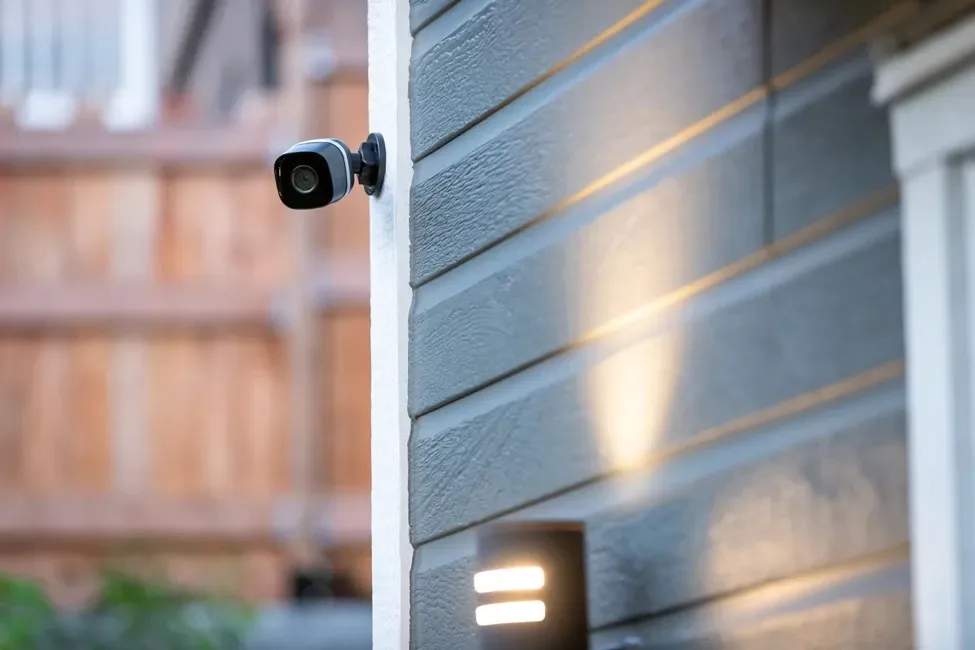
Inside a Typical CCTV Installation Job
CCTV installation is the camera and cabling half of a security system, and a job usually pulls together a mix of these pieces.
Camera mounting and wiring. Cameras fitted securely at entry points, driveways and blind spots, wired back to a central recorder.
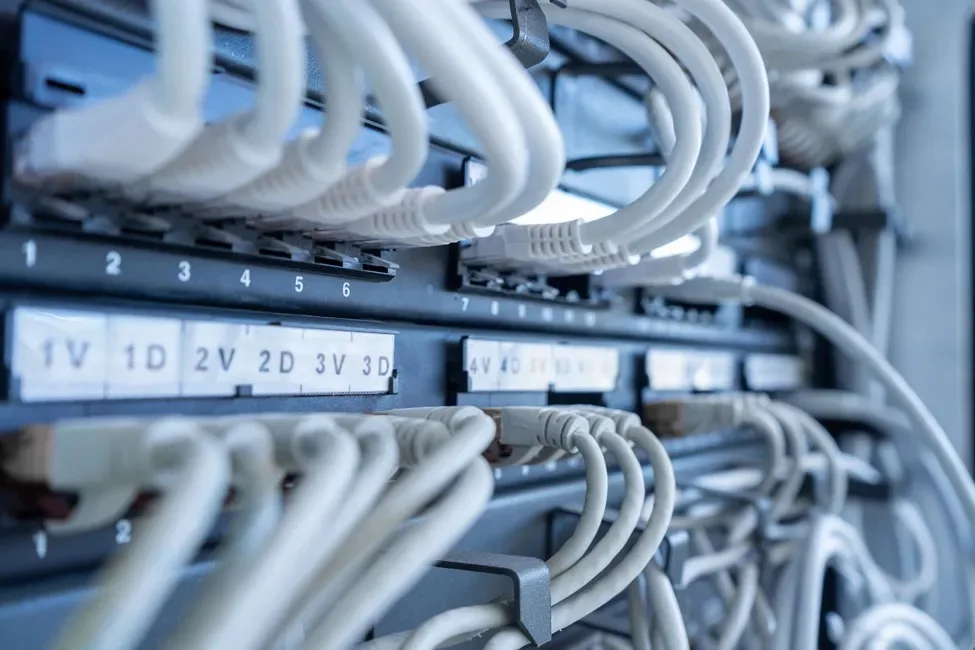
PoE cable runs. Power-over-Ethernet cabling that carries both power and data to each camera on a single cable.
NVR and recorder power. Dedicated, properly isolated power for the network video recorder storing the footage.
Cable co-runs with data work. Camera cabling pulled through in the same pass as network cabling, where a home needs both done at once.
Outdoor and weatherproof camera fitting. Cameras rated and sealed for exposure to the weather, mounted to handle it long-term.
System expansion. Additional cameras added to an existing system, matched to the current setup.
Remote viewing setup. Configuring the system so footage can be checked from a phone or computer away from the property.
Motion and night-vision configuration. Setting cameras to respond correctly to movement and perform properly after dark.
Whatever the brief, the cabling gets planned first so the cameras end up exactly where they're actually useful.
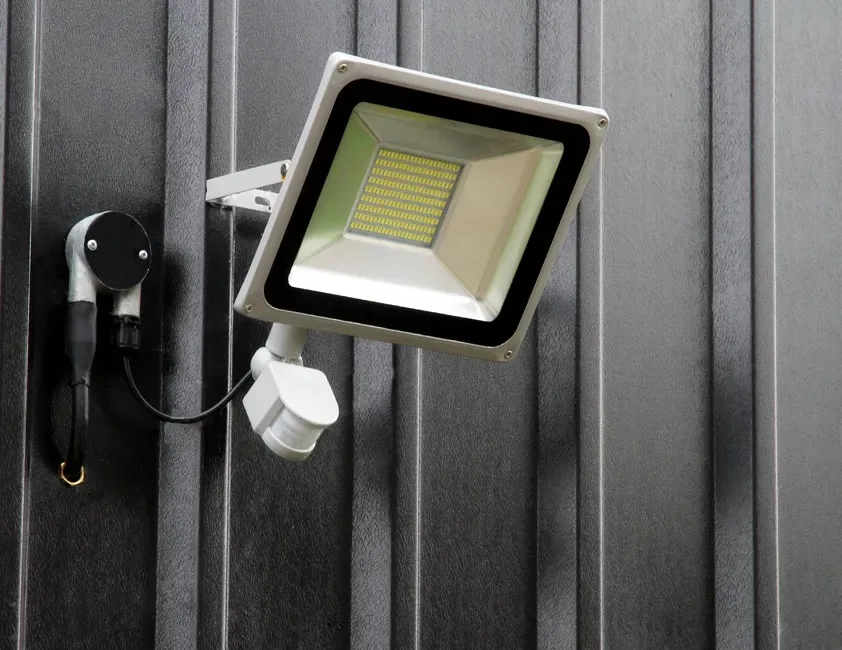
Six Signs Your Home Is Asking for CCTV Installation
These situations call for a dedicated camera system, rather than a general electrical or data visit.
- A property has no camera coverage at entry points or blind spots.
- An existing camera system has gaps in coverage after a renovation or extension.
- A break-in, attempted entry or parcel theft has prompted a security review.
- A landlord wants shared entry areas covered for a block of units.
- An ageing camera system needs upgrading to modern PoE and NVR technology.
- A small business needs coverage over stock, entry points or a till area.
- A holiday let or short-term rental wants entry monitoring for guest safety and property protection.
- Old analogue cameras are being replaced with a proper digital setup.
What We See in Waitara Homes
Detached houses on the quieter streets typically want perimeter coverage: driveways, side access and entry points where a property backs onto a neighbour or a laneway. That coverage pattern is straightforward with a handful of well-placed cameras and a single cable run to the NVR.
Package theft has become a more common driver locally too, with front-door coverage now a standard request rather than an add-on, particularly for homes that rely on deliveries during the working week.
The apartment towers and shops near the station raise a different brief, usually shared entry points and common areas where multiple households or tenancies benefit from the one system. Coordinating that installation with a strata manager or building owner is part of getting it right.
Shopfronts along the Pacific Highway commercial strip add their own version again, typically till-area and stock coverage alongside entry monitoring, a mix that's more about business risk than residential security.
Retirement and over-55s living, like The Grange precinct, tends to prioritise entry and common-walkway coverage over the wider perimeter approach a family home wants. The brief shifts with who's actually using the property day to day.
CCTV Installation Pricing: What Moves the Quote
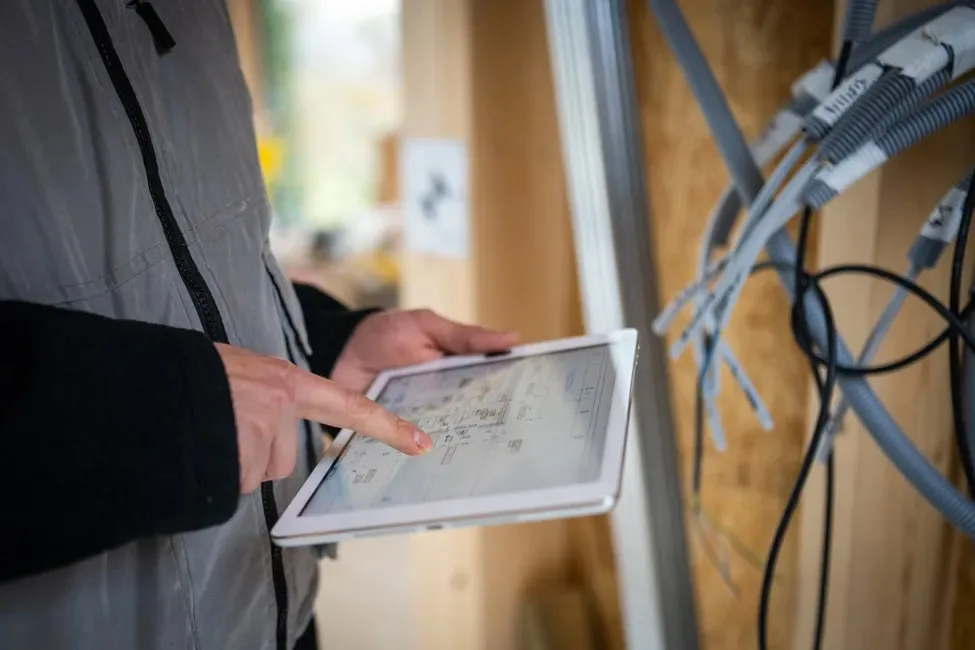
The number of cameras and how tricky the mounting positions are decide most of this quote.
- How many cameras are being installed and where.
- The distance from each camera to the NVR or recording point.
- Whether an NVR and storage system needs supplying or is already sitting there.
- How easily cable can be run through the ceiling and wall spaces involved.
- Whether cameras need to be weatherproof for outdoor mounting.
The quote is free, in writing, and fixed once you're happy with it. Book your first job with us and $50 comes off.
Our CCTV Installation Process, Start to Finish
1. Discuss coverage needs. Describe the property layout and what areas matter most, and we'll map out where cameras would actually help.
2. Look at mounting points and cable routes. We assess where cameras should go and what it'll take to wire them, then put a fixed price on paper before anything's ordered.
3. Installation. Cameras are mounted, cable run neatly through walls and ceilings, and the NVR wired and powered correctly.
4. Test and certify. Every camera and cable run is tested, with footage confirmed and angles checked before the job is called finished.
Most straightforward systems, four to six cameras with a single NVR, are completed within a day. Larger commercial setups or full common-area coverage take longer, and the quote will say so upfront.
Compliance, Certificates and NSW Requirements
Running a camera cable through a wall or ceiling counts as licensed electrical work in this state, whatever the camera itself costs. Each run gets checked once installed, confirming it actually carries a working signal rather than just looking connected.
Camera placement also carries its own set of considerations around neighbouring properties and public areas, worth discussing honestly during the quote rather than assumed. A system aimed only at your own property and entry points avoids most of these concerns entirely.
The Difference on a CCTV Installation Job
A camera that's merely powered on isn't the same as one that's actually confirmed to record properly. That check is what proves the system will perform when it matters, not just that it looked fine on installation day.
We also plan camera placement properly rather than mounting units wherever's convenient. A camera aimed at the wrong angle or blocked by foliage within a year isn't doing its job, however neatly it was installed.
People who've had a system fitted through us mention the footage actually being useful when it mattered, not just a camera that was technically switched on. That distinction comes down entirely to how carefully placement was planned upfront, before the first bracket went on the wall.
Related Work and Surrounding Areas
CCTV installation pairs naturally with data and communications work where cabling runs share the same route, or a switchboard upgrade where the board needs extra capacity for an NVR and cameras. Beyond Waitara, this covers Hornsby, Wahroonga, Normanhurst, Asquith and Mount Colah.

Get in Touch Today for a Free Quote
Ready to cover the blind spots around your property? Call (02) 9538 7444 for an honest assessment.
Common questions
Common CCTV Installation FAQs
Security systems raise their own set of practical questions, covered here.
How much does CCTV installation cost in Sydney?
It depends on the number of cameras, the cable runs and whether an NVR is being installed too. A written quote follows an on-site look at the property.
Do I need a licensed electrician for CCTV installation?
For hardwired cameras and cabling run through walls or ceilings, yes. That side of the job is licensed electrical work in NSW.
How long does CCTV installation take?
A few cameras with straightforward cable runs is usually a half-day job. More cameras or a full NVR setup takes longer, confirmed on the quote.
Do you supply the cameras or can I buy my own?
Either works. We can supply a quality system as part of the quote, or install cameras you've already bought once we've checked the cabling suits them.
Will I get test results for CCTV cabling?
Yes. Every cable run is tested and certified, confirming the system performs rather than just that it's connected.
Do you handle strata or apartment CCTV installation in Waitara?
Yes, including common-area coverage and individual unit systems, coordinated with the strata manager where shared infrastructure is involved.